

Website Speed Is Costing You More Than Rankings: What Happens Before a Visitor Enquires?
Key Summary
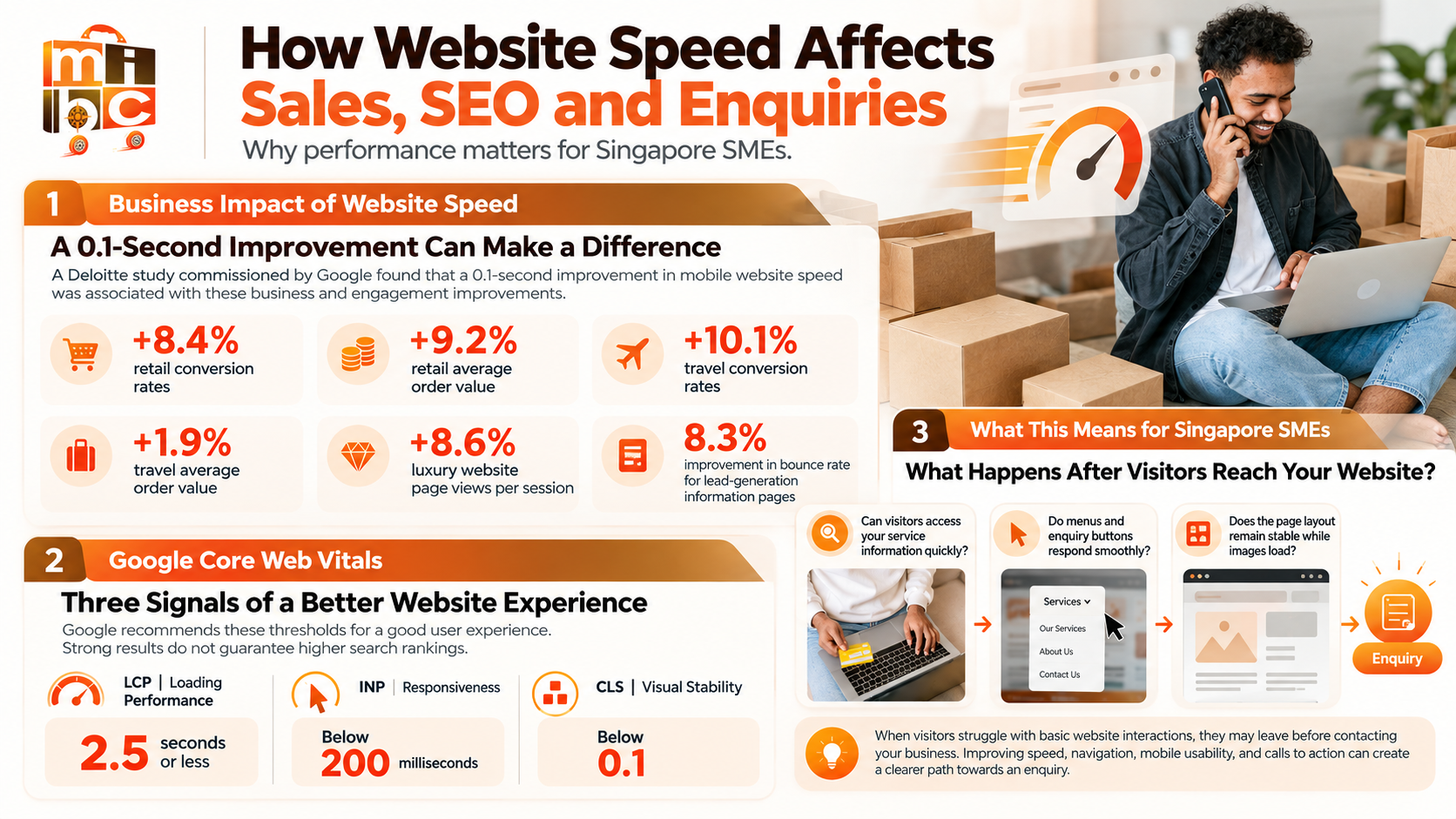
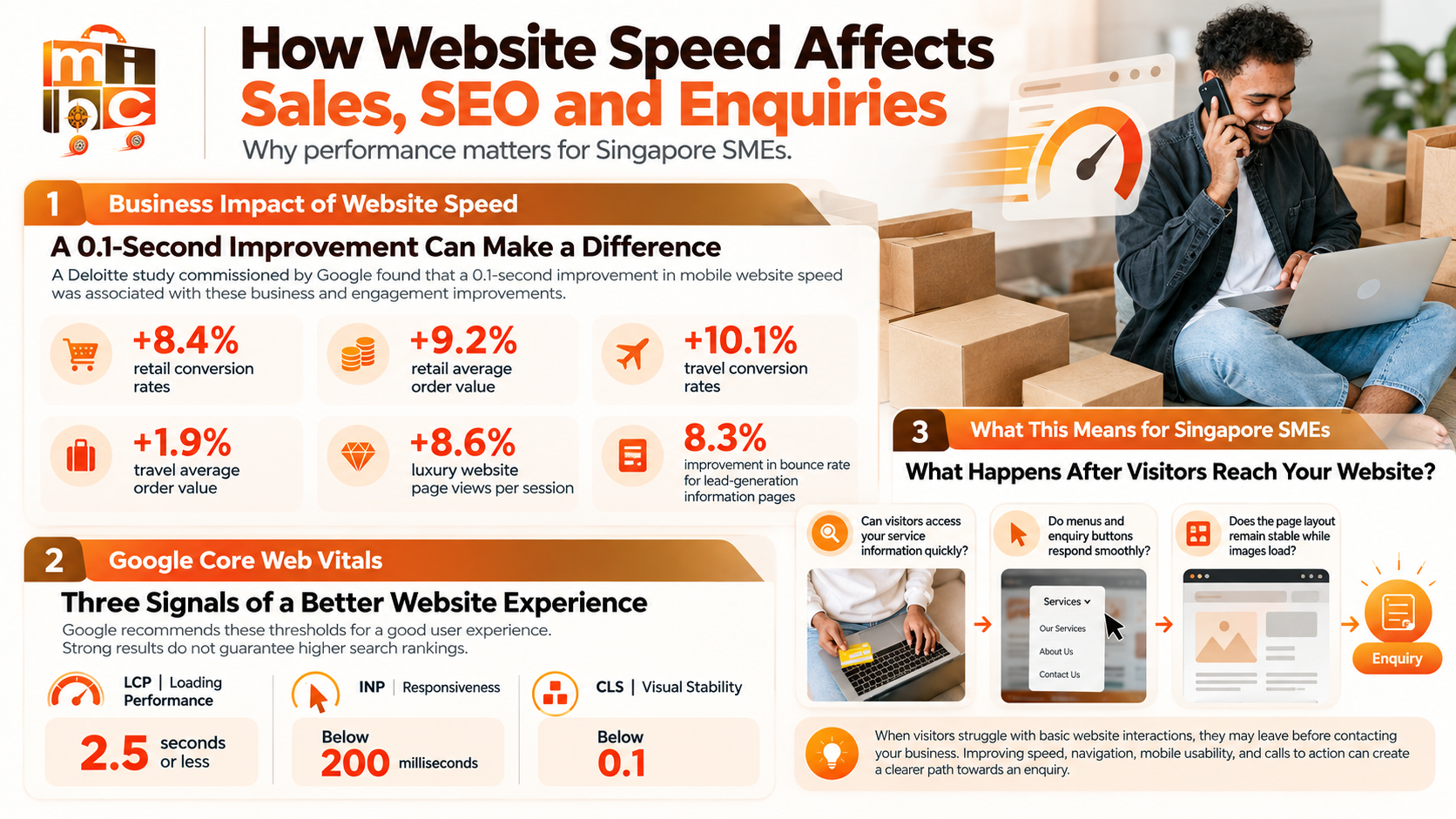
Website speed optimisation in Singapore matters because a slow or unresponsive website can frustrate visitors before they enquire. Research by Deloitte, commissioned by Google, found that a 0.1-second improvement in mobile website speed was associated with an 8.4% increase in retail conversion rates, while travel conversion rates increased by 10.1%. Google’s Core Web Vitals also help businesses assess loading performance, responsiveness and visual stability. For Singapore SMEs, improving website performance alongside mobile usability, service-page clarity and enquiry paths can create a smoother customer journey. MIBC explains how to identify website performance issues and how a website revamp can help turn a better browsing experience into more opportunities for enquiries.
Introduction
Imagine a potential customer in Singapore searching for a service your business provides. They click your website, expecting to understand your offer and decide whether to contact you. However, the page takes too long to load, the content appears slowly, or the buttons respond with a delay. The visitor may leave before discovering what your business can offer.

When you’ve been investing in SEO, Google Ads, or social media marketing, your whole marketing campaign may successfully attract visitors, but those visitors never click “BUY” because the website is slow. Website speed affects how quickly people can access information, navigate service pages and interact with contact forms. Every unnecessary delay can add friction to the customer journey.
This is why website speed optimisation should be considered alongside website design, content and conversion paths. A high speed score alone does not guarantee more customers, but performance issues can make an otherwise useful website harder to use. For Singapore businesses competing for attention online, understanding what happens between a visitor’s first click and their decision to enquire is an important step towards improving website performance.
How Website Speed Affects Sales, SEO and Enquiries
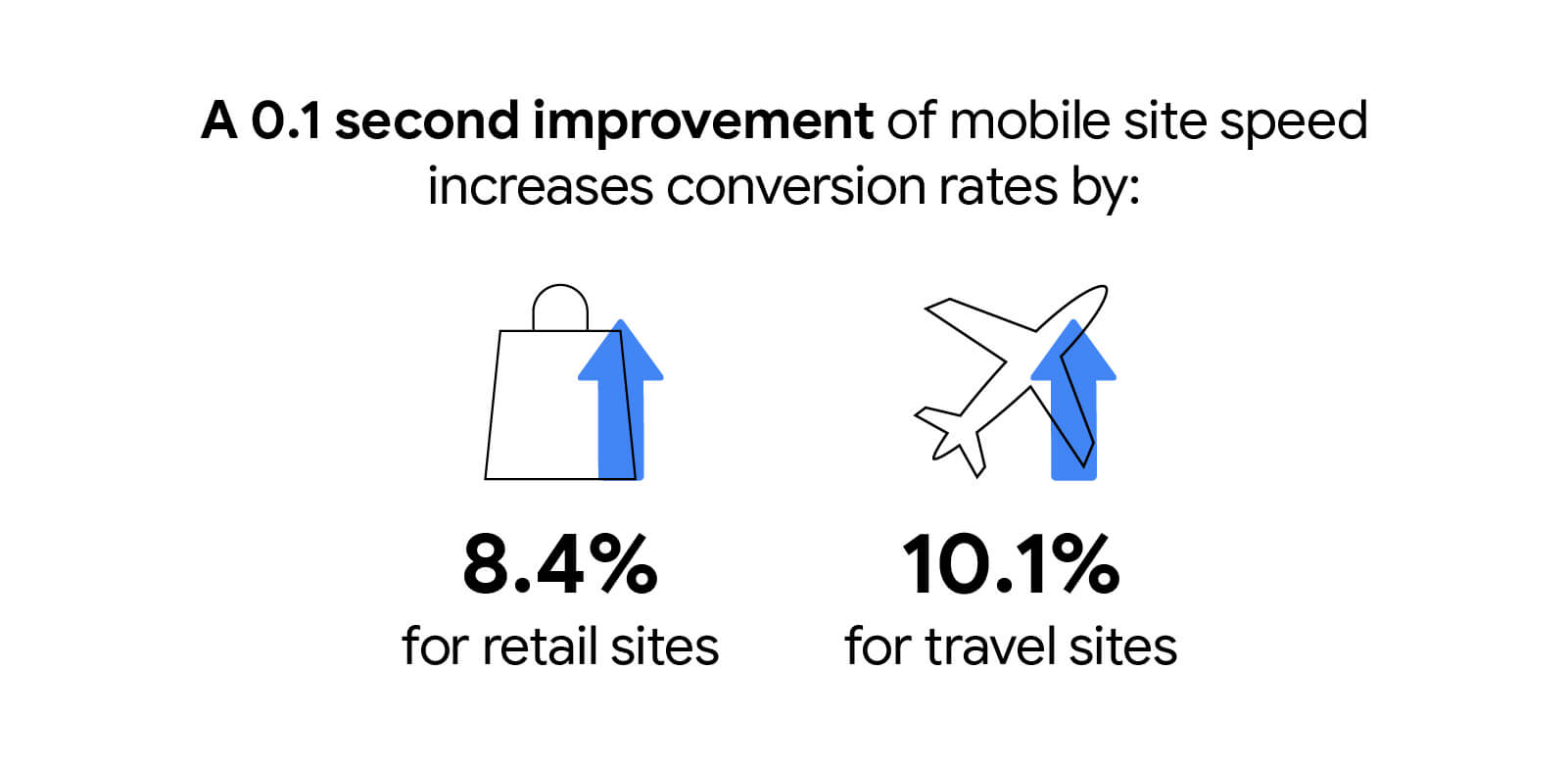
A study by Deloitte, commissioned by Google, examined mobile website performance across retail, travel, luxury and lead-generation brands in Europe and the United States. It found that a 0.1-second improvement in mobile site speed was associated with an 8.4% increase in retail conversion rates and a 9.2% increase in average order value. Travel websites recorded a 10.1% increase in conversion rates and a 1.9% increase in average order value. Luxury websites saw 8.6% more page views per session, while lead-generation information pages recorded an 8.3% improvement in bounce rate. These findings illustrate how performance improvements can be associated with better customer engagement and business outcomes.
Website performance also matters for search visibility. Google uses Core Web Vitals to assess aspects of the user experience: Largest Contentful Paint (LCP) measures loading performance, Interaction to Next Paint (INP) measures responsiveness, and Cumulative Layout Shift (CLS) measures visual stability. Google’s recommended good thresholds are an LCP of 2.5 seconds or less, an INP below 200 milliseconds, and a CLS below 0.1. Good results can help indicate a better user experience, although they do not guarantee higher search rankings.
For a Singapore SME, the practical concern is what visitors experience after arriving. Can they read the service details quickly? Does the website respond when they tap a menu or enquiry button? Does the layout remain stable while images load? A visitor who struggles with these basic interactions may abandon the journey before contacting the business. Improving speed, navigation, mobile usability, and calls to action together gives visitors a clearer path towards an enquiry.
Website Performance Case Studies: What Businesses Can Learn
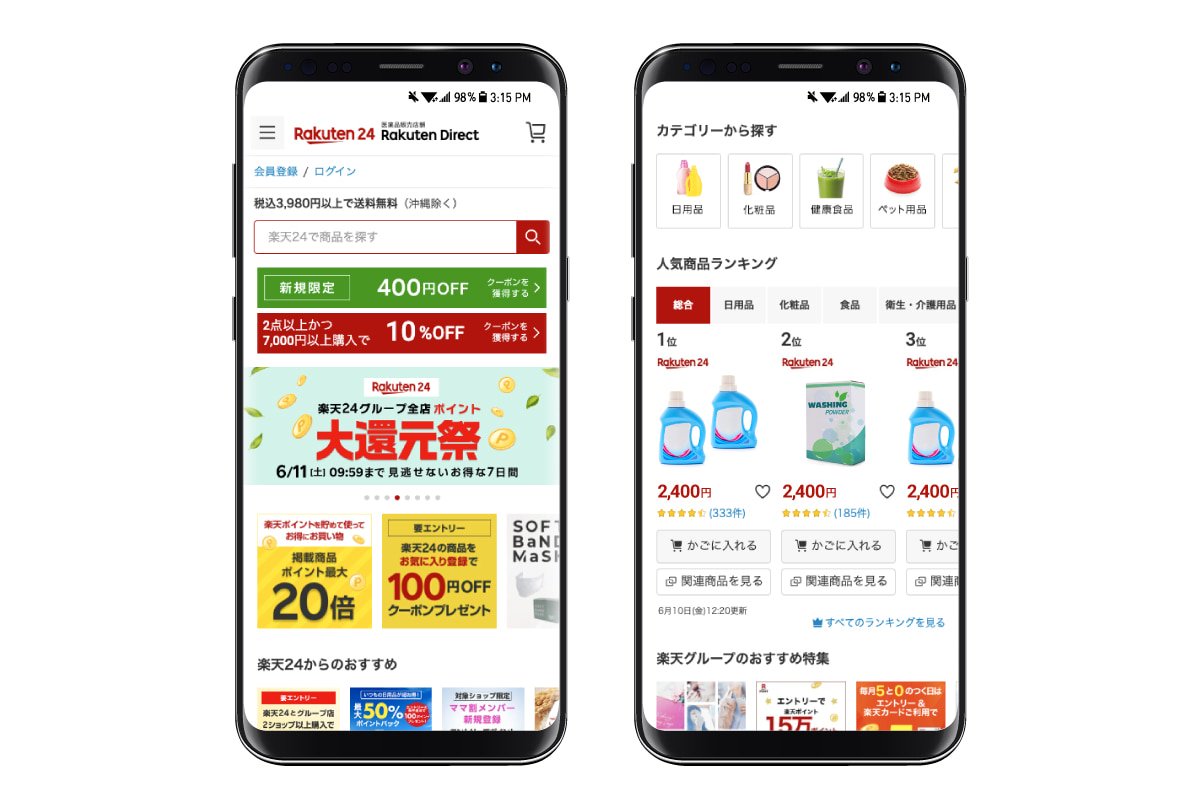
Rakuten 24 demonstrates how continuous performance monitoring can support business improvements. The company measures and optimises Core Web Vitals and other metrics, with more than 75% of users experiencing good LCP, First Input Delay (FID) and First Contentful Paint (FCP) in the reported case study. Its team was still working to improve CLS. After analysing homepage data, Rakuten 24 found that a good LCP score was associated with a conversion rate increase of up to 61.13%, a 26.09% increase in revenue per visitor and an 11.26% increase in average order value. A good FID score was associated with a conversion rate increase of up to 55.88%. These figures are specific to Rakuten 24’s analysis and should not be treated as guaranteed results for other businesses.
The Global Tech Solutions case study provides another practical example of why performance needs to be considered across devices. Before its redesign, the website was slow on both desktop and mobile, with mobile visitors experiencing the greatest difficulty. High blocking time and delayed interactivity meant users could be left waiting before they could tap a button. After the revamp, the website achieved a reported speed score of 91/100, with faster loading on desktop and mobile and smoother interactions. This illustrates how addressing technical delays can make a website easier to use. The score alone, however, does not establish how much its enquiries or revenue increased.

These examples highlight an important lesson for SMEs: website improvement should begin with measurement and focus on real user problems. Some providers concentrate primarily on speed scores or isolated technical fixes. MIBC’s approach connects website performance with the wider customer journey, including service-page structure, mobile experience, content clarity and enquiry paths. This broader perspective helps businesses identify where visitors may encounter friction and prioritise improvements that support both usability and business goals.
How MIBC Helps Improve Website Performance
MIBC recommends reviewing website speed alongside the experience visitors receive. Tools such as Google PageSpeed Insights can identify potential performance issues, while website analytics and enquiry tracking help businesses understand what happens after visitors arrive. For example, a slow service page combined with a high exit rate may deserve investigation. A weak enquiry rate may also point to unclear messaging, difficult navigation, or a form that asks for too much information. Looking at these issues together provides a more useful starting point than relying on a single score.
MIBC’s $799 Website Revamp helps Singapore SMEs improve their website foundation, with attention to structure, content, user experience, SEO, and performance within the agreed package scope. The aim is to make important information easier to access and the next step easier to understand. Depending on the website, improvements may involve reviewing image sizes, reducing unnecessary loading delays, improving mobile layouts, clarifying service pages, or making contact options more visible. The specific work should be guided by the website’s needs rather than applying the same fixes to every business.
How much business opportunity could your website be losing before visitors enquire? If your website feels slow, difficult to navigate, or ineffective at generating enquiries, comment “WEBSITE SPEED” below and share your website URL. MIBC can take a quick look and help identify potential areas for improvement. You can also contact us to discuss whether the $799 Website Revamp is suitable for your business.
Q&A
1. Does website speed affect Google rankings?
Website speed and Core Web Vitals contribute to Google’s assessment of page experience, but good scores alone do not guarantee higher rankings. Relevant, useful content and other SEO factors remain important.
2. How fast should a business website load?
Google recommends an LCP of 2.5 seconds or less, an INP below 200 milliseconds, and a CLS below 0.1. These Core Web Vitals thresholds help assess loading, responsiveness, and visual stability.
3. Can a faster website generate more enquiries?
It can help by reducing delays and making the website easier to use. However, enquiries also depend on service relevance, trust, pricing, content, calls to action, and the quality of the overall customer journey.
4. How can Singapore SMEs check website performance?
Start with Google PageSpeed Insights to identify performance opportunities. Review mobile usability, navigation, service-page clarity and enquiry forms as well. Analytics can help reveal where visitors leave before completing an enquiry.
5. Is website speed optimisation enough, or do I need a website revamp?
That depends on the underlying issues. A technical fix may be sufficient when the problem is isolated. If slow performance comes alongside outdated design, unclear service pages, poor mobile usability or weak enquiry paths, a broader website revamp may be more appropriate.
6. What should I improve first if my website receives visitors but few enquiries?
Check whether key pages load reliably, explain your services clearly, and make contacting your business straightforward. Review performance data and the enquiry journey together to identify the most important barriers before investing in changes.


